
01
Which Tipo you have matters
The range covered four engines worth knowing about. There are the 1.4 and the 1.6 petrol units, and the 1.3 and 1.6 diesels, and they behave very differently from one another. The 1.4 petrol is the simplest of the four, and in its non turbo form it is the least rewarding to calibrate. Where a 1.4 car carries a turbocharged unit there is more to work with, and the registration settles which one is in the car. The 1.6 diesel has the most to give, since a turbocharged diesel has more room in the calibration than a non turbo petrol.
Both the hatchback and the estate were sold with these engines, and the body style makes no difference to the calibration. What does make a difference is the exact engine and management system, which is why the registration is the first thing to hand over. Where a variant needs to be confirmed from the vehicle, that happens before a booking rather than on the day.
02
Honest expectations for the petrol cars
A petrol engine without a turbocharger has very little headroom. The factory file already runs it close to what it can do, and no calibration will add meaningful power to a non turbo 1.4 Tipo. What can be improved is the way the throttle responds and the way the power is delivered at the bottom of the range, which makes the car feel less sluggish pulling away from a junction or joining a dual carriageway.
That is a modest improvement and it should be described as one. If somebody wants a noticeably quicker car, a tune is the wrong place to spend the money, and Paul will say so rather than take a booking that disappoints. The value here is in the everyday feel of the car, not in a figure.
03
The diesels, and where economy comes from
The 1.3 and 1.6 diesels are a different proposition. Both are turbocharged, both have room in the calibration for a better delivery, and both are the engines that owners actually ask about because they do the miles that make economy matter.
A tune on these engines improves the mid range so the car holds a gear on a hill instead of dropping one, and needs less pedal to keep up with traffic. Over a week of commuting that is felt at the pump, though no figure should be promised, because it depends on the route, the load and the driver. Anyone who drives the car harder to enjoy the new response will not see a saving at all.
The usual warnings apply to the diesel. A car with a heavily loaded particulate filter or a sooty EGR valve has a problem that a calibration does not fix, and tuning around it makes the underlying fault worse. Both are assessed before anything is written, and if either needs attention that is the conversation to have first. The filter advice page plus the recirculation guide explain what those checks involve.
04
The health check, and why it matters on a used one
A Tipo is often a second hand buy at the affordable end of the market, and cars in that position frequently arrive with deferred maintenance. A service that is overdue, a clutch that is on its way out, a set of coil packs that have seen better days: all of it affects what a tune can do and how it feels.
The check is the same dealer level scan used on any other vehicle. Fault codes are read, live data is examined, and the mechanical condition is assessed on a road test. Findings go to the owner in plain words, because spending on software before fixing a fault is the wrong order.
05
What it costs to own afterwards
Servicing stays exactly as it was, with the same parts at the maker's stated intervals, and the software change does not affect either. Insurance is between the owner and their provider, and a modification is worth declaring rather than glossing over.
Fuel grade needs no change on the petrol cars. The engine runs happily on what the handbook asks for, and nobody needs to start buying a premium grade on the back of a tune.
06
A visit that fits around the car
07
Is a Tipo remap worth it?
On the diesels, usually yes, for economy and drivability. On the 1.4 petrol, only if the owner wants a slightly nicer car to drive and accepts that the difference is small. The wrong reason to book is expecting a fast car afterwards.
08
Can the 1.3 diesel be tuned?
That unit appeared in more than one form across the range with different management, so the exact car is checked from its registration before a date is agreed rather than assumed from the badge.
09
Will it affect the MOT?
A calibration that keeps the emissions equipment working and the engine running correctly is not an MOT problem. A car with a faulty filter or a blocked EGR will fail on those faults whether or not it has been tuned, which is why they are checked first.
10
Do you need the car for long?
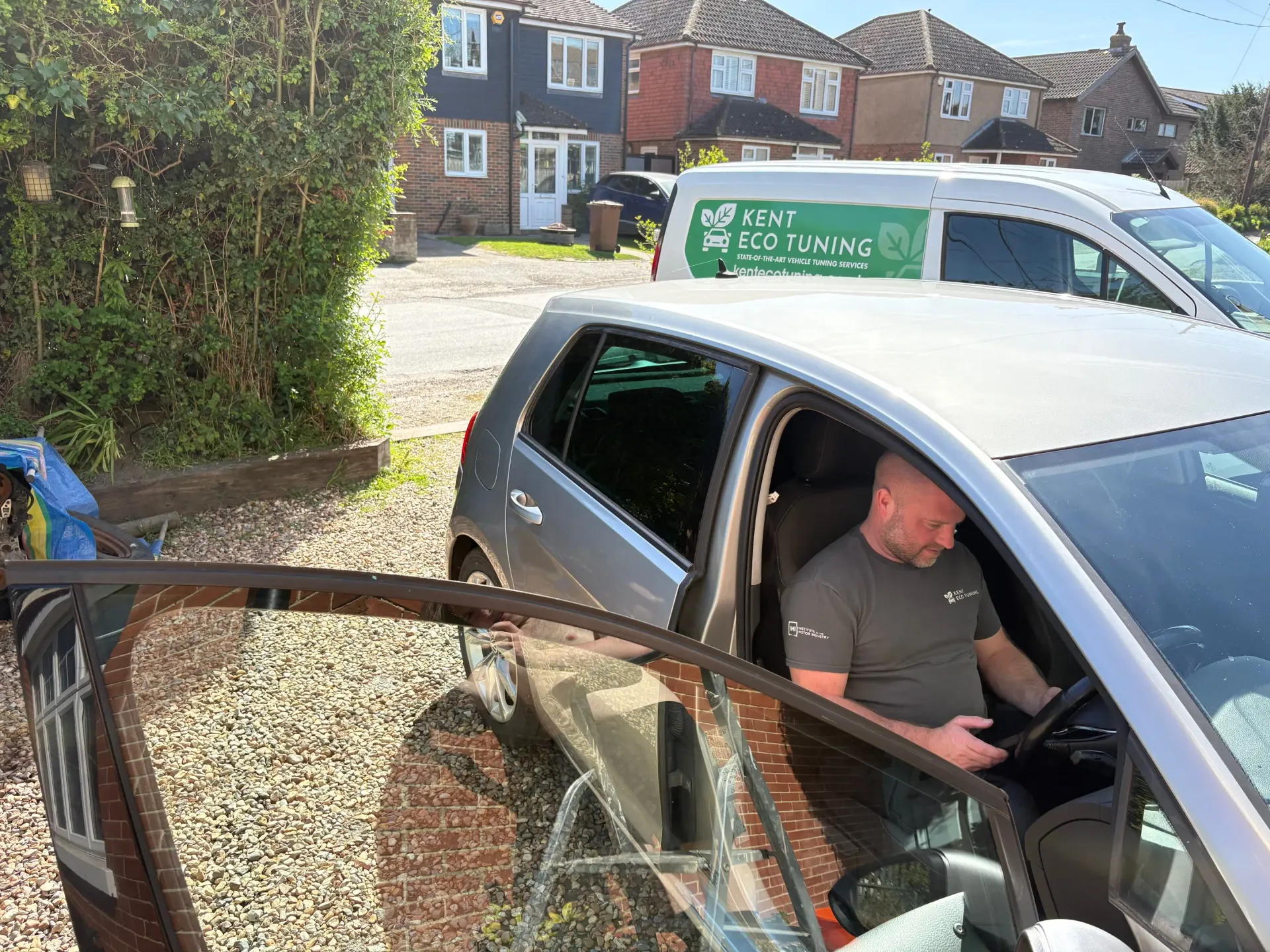
A single vehicle is normally done in one visit, with the diagnostics, the read, the calibration and the road test all at the same address. Anything that needs a part replacing becomes a separate conversation. Tipo questions go to 07946 854971, or to the contact form. Engine size and registration are enough for a useful answer.
11
Related models
Owners often compare this with Fiat 500 Abarth, Fiat 500 and Fiat Panda, and each has its own page covering the engines and what the calibration changes.