
01
What is a Stage 2 remap?
"Stage 2" is a tuning-industry term for a software calibration intended to work with supporting hardware modifications. The exact meaning is not standardised across the industry, so the label alone does not tell you which parts have been changed or what results to expect.
Depending on the vehicle and the tuner's approach, supporting hardware may include an improved intake or exhaust. These are examples, not a universal parts list: a modification appropriate for one engine may be unsuitable for another. The calibration needs to suit the actual vehicle and its installed components.
A Stage 2 remap is therefore more than simply choosing a more aggressive software file. Hardware, engine condition, fuelling, cooling, turbo operation and drivetrain limits can all affect what is suitable. The vehicle should be assessed as a complete system before tuning is considered.
02
Stage 1 vs Stage 2: what is the difference?
A Stage 1 remap is generally a software-only change for a standard vehicle. It adjusts ECU parameters to improve characteristics such as torque delivery, throttle response or power, while retaining the standard hardware.
A Stage 2 setup pairs software with supporting hardware modifications. Because the changes are more involved, its suitability and outcome depend on the vehicle's specification and condition. The extra hardware also means more components and variables to consider.
A side-by-side comparison. Vehicle setup: Stage 1 is a standard vehicle on standard hardware, while Stage 2 pairs the software with supporting hardware modifications. Main change: Stage 1 is an ECU software calibration, while Stage 2 means hardware and software are considered together. Typical appeal: Stage 1 suits everyday drivability and is a simpler upgrade, while Stage 2 appeals to enthusiasts seeking a more involved setup. Key consideration: a Stage 1 vehicle must be healthy and suitable, while Stage 2 brings more variables, parts and compliance considerations.
These are common descriptions, not formal technical or legal categories. Tuning providers may use the labels differently. For a closer look at the everyday choice between response and efficiency, read our guide to power versus economy with a Stage 1 remap.
03
Is Stage 2 tuning right for your car?
Stage 2 may interest an enthusiast who wants a more extensively modified vehicle and is prepared to plan, maintain and assess the overall setup. It is not automatically the best option simply because it sounds like a higher level.
For most everyday drivers, a Stage 1 remap is the more straightforward starting point. It keeps the standard hardware and can be tailored to the driver's priorities, such as improved response or stronger mid-range torque. For tradespeople and van operators, it may also be a more practical route when the aim is usable drivability during regular work rather than a project involving additional hardware.
The consequence of choosing a setup without considering the vehicle is that parts may not work well together, existing wear may become more noticeable, or the car may not behave as expected. More modifications do not guarantee a better result. Our advice is based on the vehicle's condition, specification and intended use, not the stage label alone.
Explore our ECU remapping service to understand how a vehicle-specific calibration is approached. If your car has an automatic gearbox, gearbox tuning may also be relevant to how the overall driving experience is assessed.
04
Why condition and calibration matter
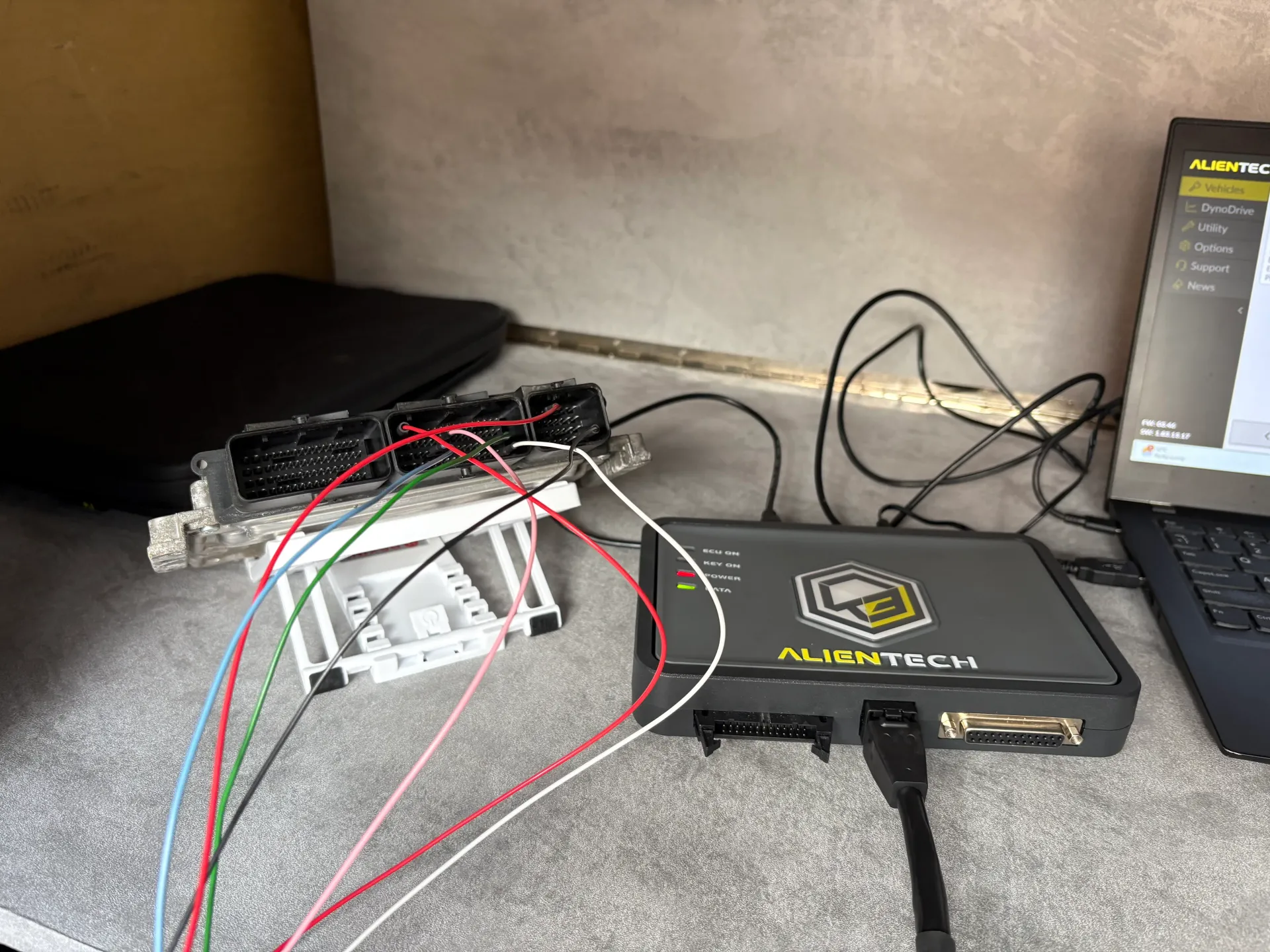
A tune changes how the ECU manages engine operation, including parameters that respond to RPM, throttle load and operating conditions. With supporting hardware, the software must also be appropriate for the actual components fitted. A generic file or unsuitable calibration can create drivability problems and add stress to engine or drivetrain components.
That is why professional work should begin with vehicle details and a health check, rather than a promise based on the stage name. Faults, warning lights, existing modifications and service history can affect whether tuning is advisable. If a concern is found, it should be investigated before proceeding; software should not be treated as a substitute for mechanical repair.
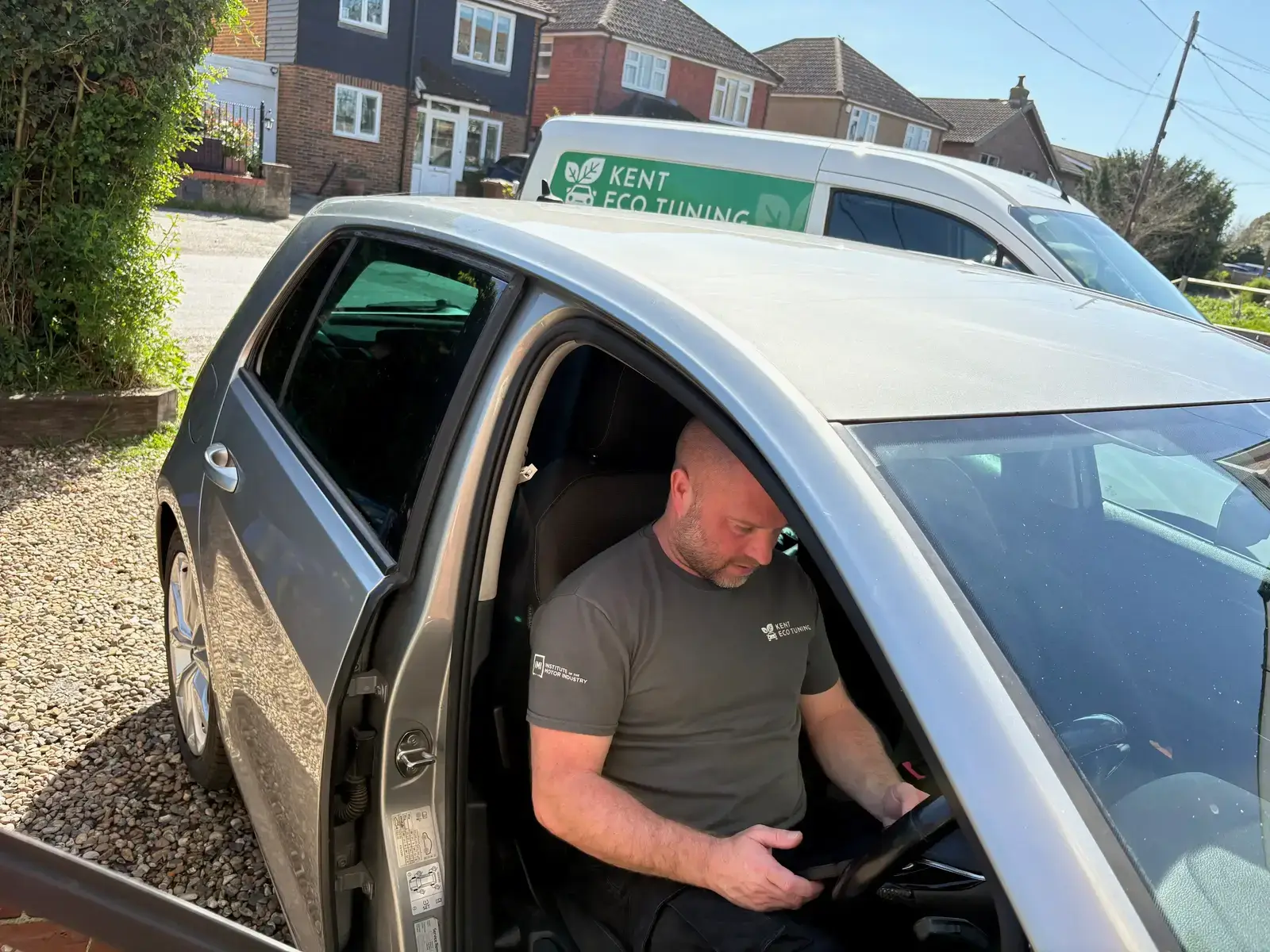
Kent Eco Tuning provides mobile ECU remapping across Medway and Kent, with IMI-certified expertise and dealer-level diagnostics. Our approach is to explain what is suitable, set realistic expectations and focus on reliable, usable results. Learn more about whether ECU remapping is safe.
05
Is a Stage 2 remap road legal and MOT compliant?
"Stage 2" is not a legal category, and the label does not guarantee road legality or an MOT pass. The vehicle and all its modifications must meet the requirements that apply to it. The MOT inspection considers relevant emissions and vehicle condition requirements; see the official MOT inspection manual for cars and passenger vehicles.
Owners should also tell their insurer about performance-related software and hardware modifications and check that their cover remains valid. MOT compliance and insurance acceptance are separate matters. Requirements depend on the vehicle and its particular modifications, so owners should check with the relevant authorities and their insurer before using a modified vehicle on the road.
06
Stage 2 Remapping FAQs
07
Does a Stage 2 remap need hardware modifications?
In common industry usage, Stage 2 pairs software with supporting hardware. The specific requirements vary by vehicle and tuner, so the label should never be taken as a definitive specification. An assessment of the exact car and its existing parts is needed.
08
Is Stage 2 better than Stage 1?
Not necessarily. Stage 2 is a bigger commitment with more variables, while Stage 1 is software-only on a standard vehicle. Stage 1 is the right option for many drivers who want improved everyday response without undertaking a hardware project. The better choice depends on your goals and vehicle.
09
Is a Stage 2 remap road legal, and will it pass its MOT?
There is no automatic answer based on the stage label. The complete vehicle must comply with the requirements that apply to it, and MOT results depend on the vehicle's condition and modifications. Speak to your insurer about the changes and check relevant guidance before driving.
10
Can Stage 2 tuning be done on my vehicle?
It depends on the make, model, engine, current condition and installed hardware. A specialist needs those details to assess whether an appropriate calibration is available and whether the setup suits your intended use. No outcome should be assumed from the badge or stage description alone.
11
Get honest advice on Stage 1 or Stage 2
If you are weighing up a Stage 2 remap, Kent Eco Tuning can discuss your vehicle and what you want from it. We provide mobile ECU remapping across Medway and Kent, with a focus on safe, proven work and honest advice, not unrealistic claims. We will help you consider whether a Stage 1 remap or a more involved setup better matches your goals.
Call 07946 854971 or email kentecotuning@hotmail.com to discuss your vehicle.