
01
What a Stage 1 remap actually changes
The engine control unit (ECU) manages how the engine operates, including fuel delivery, boost pressure and torque. A remap adjusts the ECU software calibration to change how those controls respond to driver demand.
“Stage 1” commonly describes a software tune for a vehicle with standard hardware. However, the term is not a universal performance or safety standard. The precise calibration, expected result and limits can differ between vehicles and providers. Ask what the label means for your specific make, model, engine and gearbox.
The aim of a suitable tune is not simply to chase the highest peak figure. It is to deliver power and torque in a controlled, usable way while taking account of the engine and the vehicle's supporting components. A responsible tuner should explain what is realistic for your vehicle and be clear when the condition or setup makes tuning inadvisable.
02
Stage 1 remap benefits in everyday driving
For a daily driver, the most noticeable change may be how the vehicle responds in normal use. A tailored calibration can improve throttle response and make torque more accessible through the rev range. That may mean less hesitation when joining traffic, more confident overtaking and fewer downshifts on a hill.
The result varies by vehicle. Turbocharged engines often respond differently from naturally aspirated engines, and the same model badge can cover different engine or ECU versions. A vehicle-specific check is more useful than relying on generic claims.
Fuel economy should be treated cautiously. An economy-focused tune may help a driver use less throttle to maintain a steady pace, but real-world consumption depends on the vehicle, route, load and driving style. More spirited driving can use more fuel, not less. There is no guaranteed fuel saving from a remap.
A tune may also suit a working van where the goal is smoother, more accessible torque under load rather than a performance-focused feel. For tradespeople and fleet owners, the practical question is whether the vehicle becomes easier to drive for its daily workload. Running costs still depend on maintenance, route, payload and driver behaviour.
03
Stage 1 remap health checks matter
Tuning a vehicle with an unresolved fault can turn a manageable problem into an expensive repair. Extra torque or changed engine loading may expose a weak component that was already close to failure. A remap will not repair worn, damaged or poorly maintained parts.
Before work is considered, the vehicle needs an appropriate health check. This should include a diagnostic scan and a discussion of its service history and symptoms. Depending on the vehicle, checks may also include engine operation, boost system condition, cooling, fuel delivery, clutch and gearbox behaviour.
For diesel vehicles, the DPF, regeneration behaviour and related emissions systems need particular attention. A vehicle that mainly makes short journeys may have issues that software cannot solve. Systems therefore need to be maintained properly, and any warning signs should be investigated before tuning.
If a scan or inspection identifies an unresolved fault, the right next step is diagnosis and repair, not writing a tune over the problem. Our ECU remapping service in Kent starts with assessing suitability, rather than assuming every vehicle should be tuned.
04
Power, economy or a balanced tune?
A power-led calibration prioritises stronger response and performance. An economy-led calibration puts greater emphasis on usable efficiency in the way the vehicle is driven. A balanced approach aims to improve everyday drivability without making peak output the only measure of success.
These goals involve trade-offs. A power-focused tune may encourage more demanding driving and place additional load on the drivetrain. An economy-focused tune cannot guarantee a lower fuel bill, particularly if driving habits change. A balanced tune may make the vehicle feel more responsive without being the right choice for someone seeking the maximum possible output.
For van owners, load and route are important. A van regularly carrying tools or equipment may benefit most from smoother torque delivery for its working conditions. A tune should reflect how the van is used, not simply aim for the highest advertised number. Where the vehicle's condition or use makes tuning a poor investment, maintenance may be the better priority.
05
When a Stage 1 remap may not be suitable
A remap may not be the right choice if the vehicle has active warning lights, poor running, a slipping clutch, gearbox concerns or an unresolved engine fault. The same applies if its service history is unclear and its mechanical condition has not been checked. These are reasons to investigate first, not details to dismiss because a tune is described as “Stage 1.”
Think carefully if the vehicle is still under a manufacturer warranty. A modification may affect how a related warranty claim is assessed. Check the warranty terms and ask the manufacturer or dealer about your specific vehicle before proceeding; do not assume that returning the software to standard will settle every warranty question.
Speak to your insurer before the work is carried out and ask for confirmation that your cover remains appropriate. A remap may need to be declared, and the consequences of failing to disclose a modification can be serious. If you are unsure, get the answer in writing.
Emissions equipment must remain functional and the vehicle must continue to meet applicable requirements for road use. A physically blocked DPF requires repair, not software changes. Removing or defeating emissions equipment can cause an MOT failure.
06
Check your vehicle before deciding
A vehicle checker can help establish what may be possible for a specific vehicle, but its results are an estimate, not a promise of performance or a substitute for checking mechanical condition. Use the Kent Eco Tuning vehicle checker as a starting point, then discuss your goals and any known faults before making a decision.
It is also useful to compare the expected benefit with the potential cost of putting extra load on older or already-worn components. A healthy vehicle may be a better candidate than one with the same model and engine but an unknown history. The condition of the individual vehicle matters.
07
Is a Stage 1 remap worth it?
It may be worthwhile if you want a more responsive drive, your vehicle is mechanically healthy and the proposed calibration matches how you use it. It may be less suitable if you expect guaranteed fuel savings, have unresolved faults or cannot accept the possible implications for warranty and insurance.
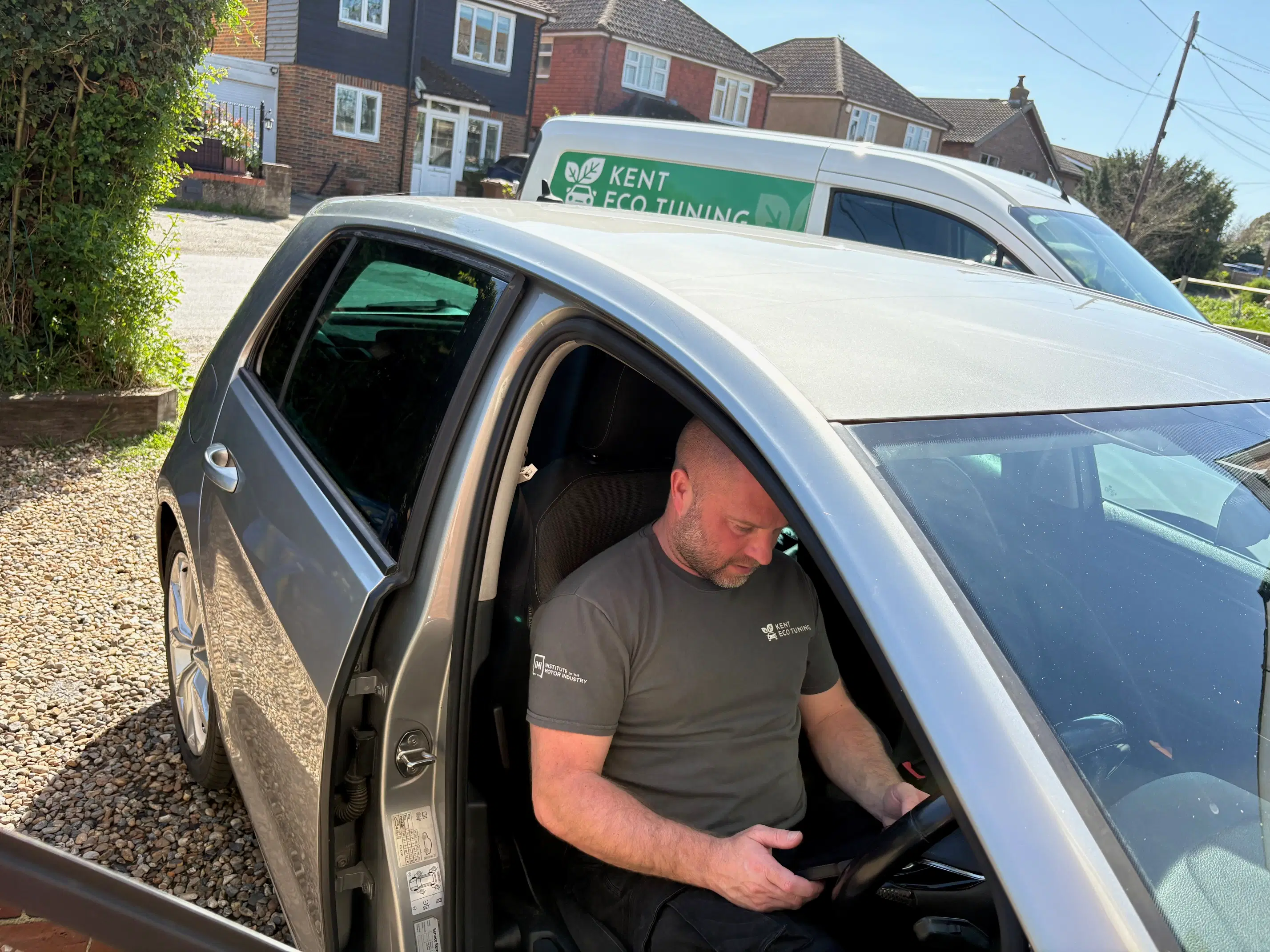
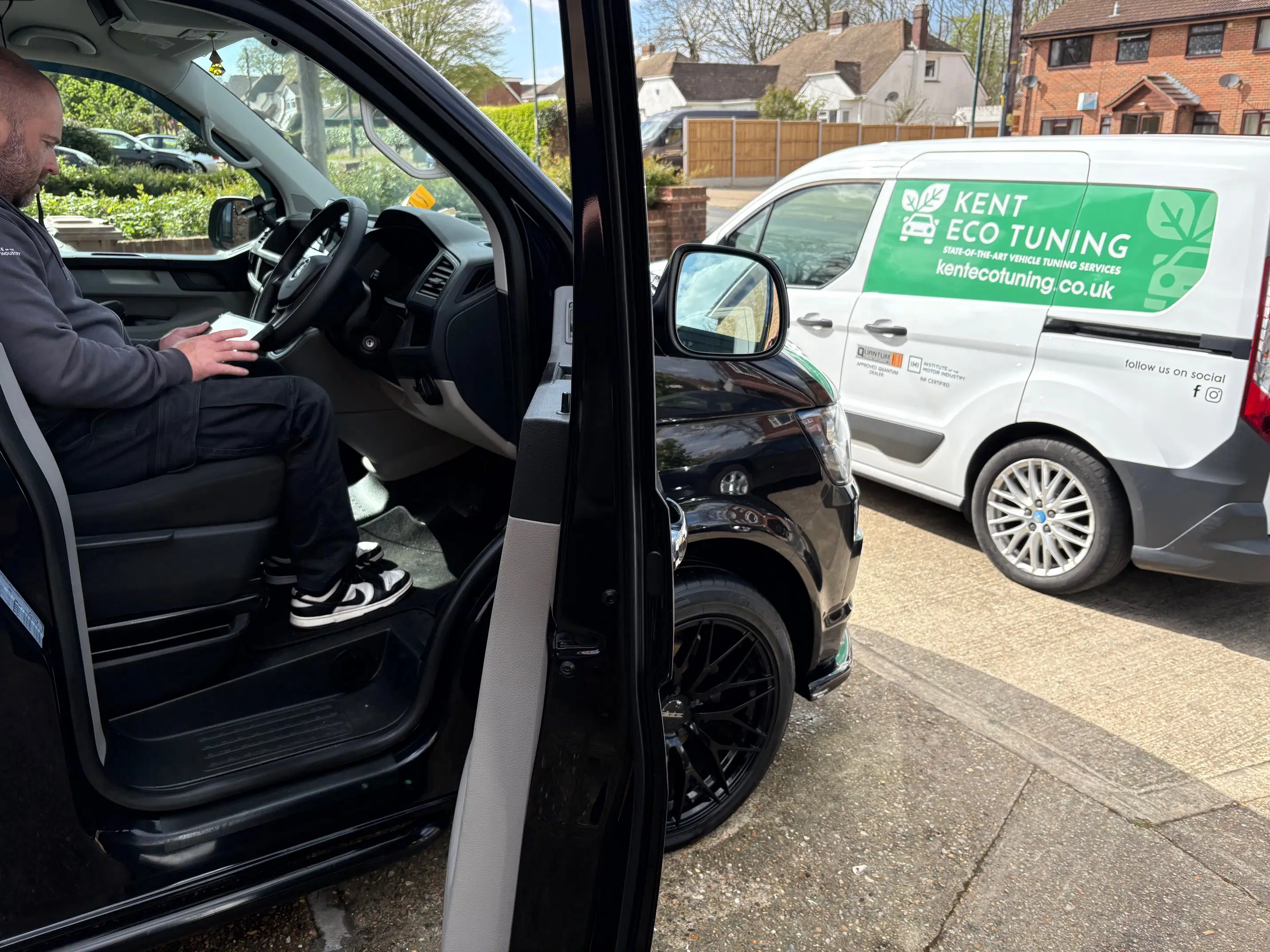
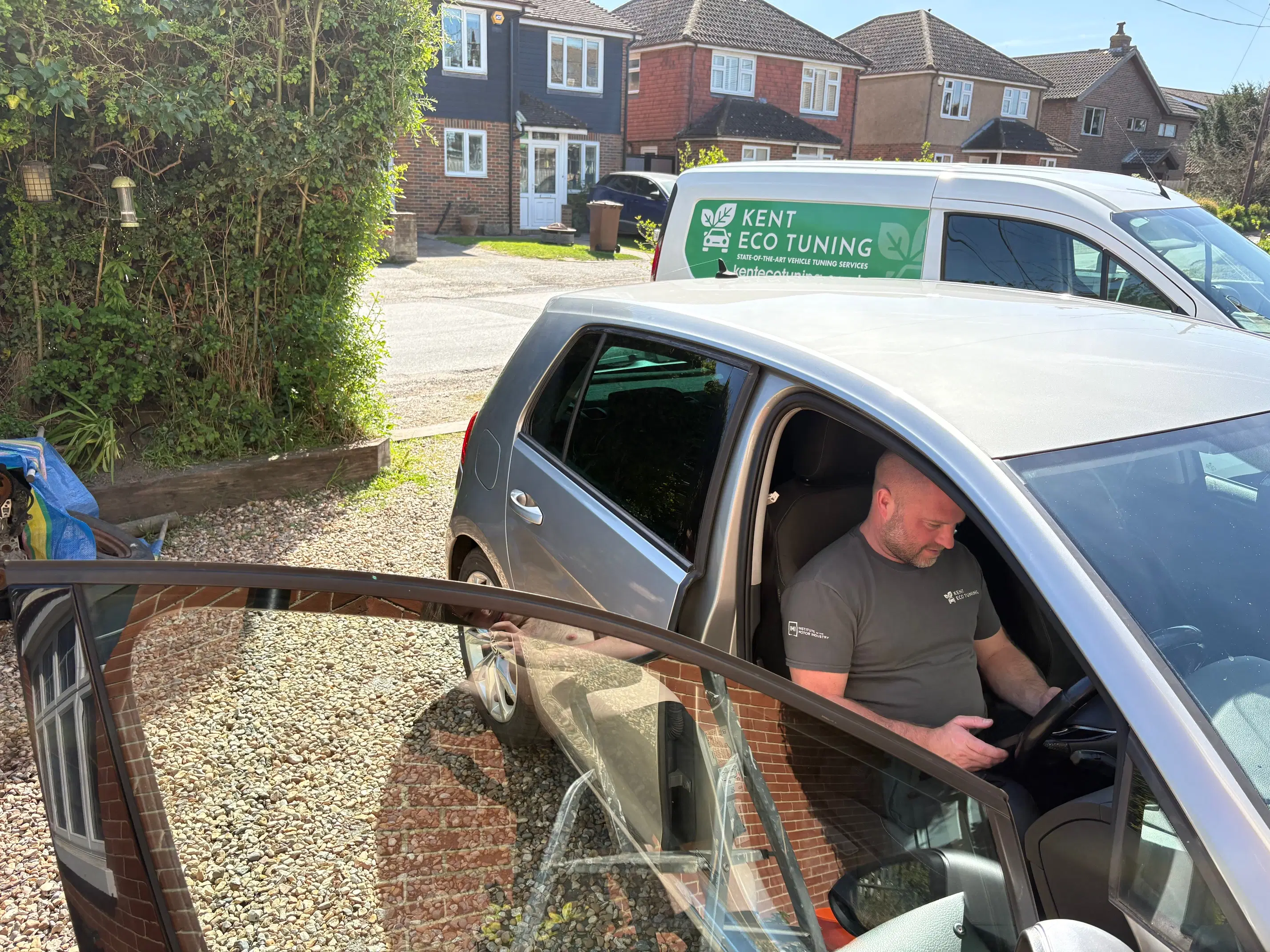
At Kent Eco Tuning, we provide honest advice and tailored software solutions for cars, vans and fleets across Kent and Medway. Call 07946 854971 or visit www.kentecotuning.co.uk to discuss your vehicle. Results depend on the vehicle and its condition; performance and economy improvements are not guaranteed.