
7 Reasons Your DPF Is Blocking and Why Short Medway Trips Are the Culprit
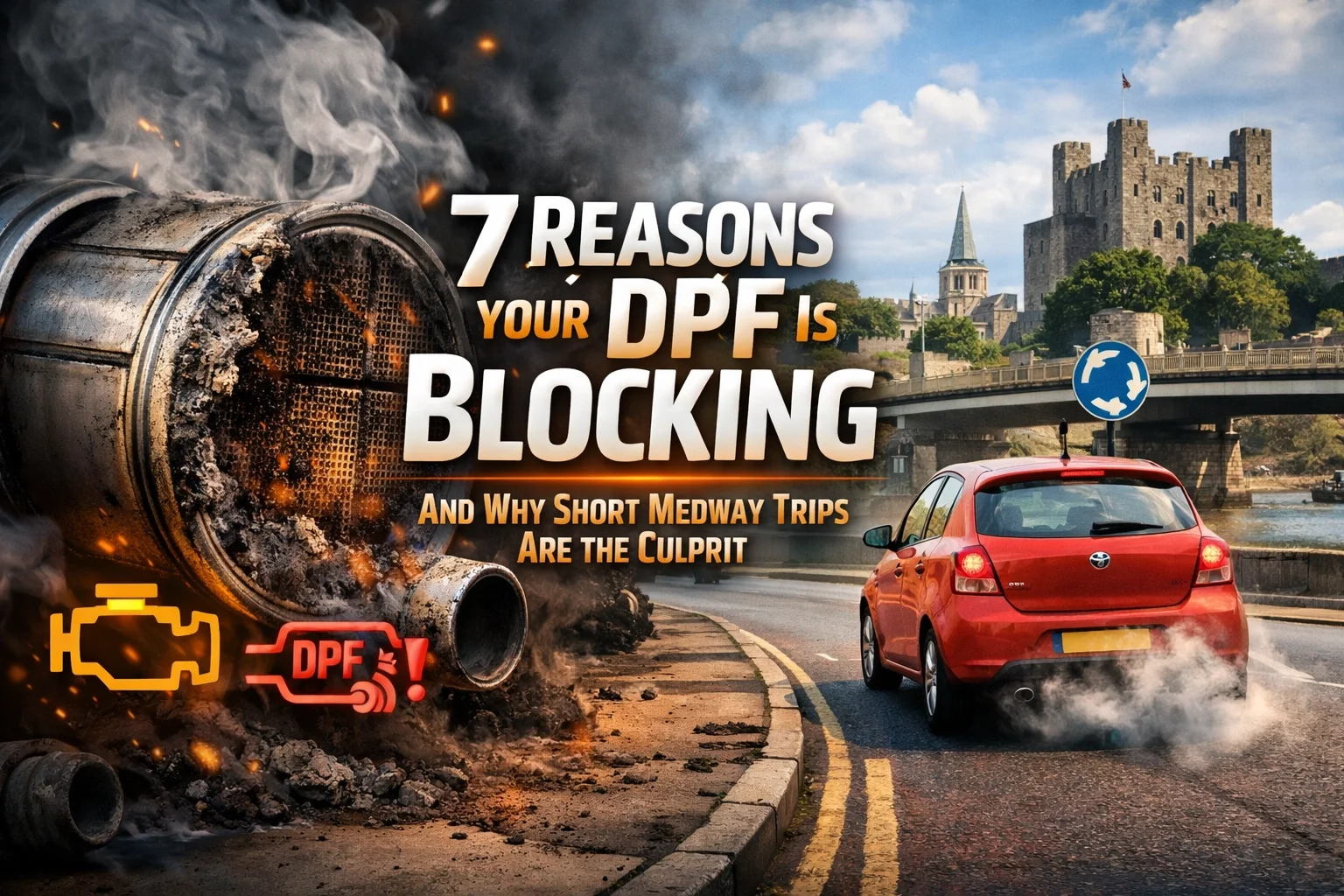
Optimize your vehicle’s longevity and elevate its performance by understanding the critical role of the Diesel Particulate Filter (DPF). For diesel owners across Kent, the DPF is often a misunderstood component that only gains attention when a dreaded warning light appears on the dashboard. At Kent Eco Tuning, we believe that education is the first step toward vehicle reliability. If you are a driver in the Medway towns: Chatham, Gillingham, Rochester, or Strood: your driving environment might be the biggest threat to your engine’s health.
A blocked DPF is rarely a standalone failure; it is usually the final symptom of an underlying issue or a consequence of a specific driving cycle. Ignoring the early warning signs can lead to "limp mode," reduced fuel economy, and potentially thousands of pounds in repair bills. Understanding why these systems fail is essential for every modern diesel owner.
The Medway Factor: Why Local Driving Is High-Risk
Medway is a vibrant area, but for a modern diesel engine, the local infrastructure presents a significant challenge. The combination of short school runs, heavy traffic on the A2, and frequent stop-start journeys through the Medway Tunnel means that engines rarely reach the sustained temperatures required for a successful DPF regeneration.
Systems therefore need to be maintained properly, and they require specific conditions to function. When you drive short distances, the engine block and exhaust system do not stay hot enough for long enough to burn off the accumulated soot. Over time, this soot compacts, eventually restricting exhaust flow and triggering a back-pressure warning. If you find yourself searching for Medway car tuning or local DPF specialists, it is likely because your vehicle’s natural cleaning cycle has been interrupted one too many times.

Understanding DPF Regeneration in Simple Terms
To understand why a DPF blocks, you must first understand how it cleans itself. Think of your DPF as a soot trap. As you drive, the filter captures harmful particulate matter (soot) from the exhaust gases. To prevent the "trap" from getting full, the car performs a "regeneration."
There are two main types of regeneration:
Passive Regeneration: This occurs naturally when you are driving at higher speeds (usually 60mph+) on a motorway like the M2 or M20. The exhaust temperature becomes high enough to naturally burn the soot into a tiny amount of ash.
Active Regeneration: If the filter reaches a certain limit (usually around 45% soot load) and the car hasn't been able to do a passive clean, the Engine Control Unit (ECU) takes over. It injects extra fuel to artificially raise the exhaust temperature to 600°C+ to incinerate the soot.
The problem for many Kent drivers is that an active regeneration takes about 10–15 minutes of steady driving to complete. If you arrive at your destination in Hempstead Valley or Rainham and turn off the engine mid-cycle, the soot remains, and the process must start again from scratch the next time you drive.
7 Reasons Your DPF Is Blocking
1. Frequent Short Urban Journeys
As mentioned, short trips are the number one killer of DPFs in Kent. If the engine never reaches its optimal operating temperature, the ECU will never initiate an active regeneration. If your daily commute consists of a 3-mile crawl through Chatham, your DPF is essentially a ticking time bomb. High-quality car tuning Kent services often focus on optimizing these cycles, but the driver’s habits remain a primary factor.
2. Poor Oil Quality and Incorrect Specifications
Diesel engines with DPFs require specific "Low SAPS" (Sulphated Ash, Phosphorus, and Sulphur) engine oil. Standard oils contain metal compounds that do not burn off. When these oils bypass the piston rings (which happens in all engines to some degree), they end up in the DPF. Unlike soot, which can be burned off, ash is permanent. Using the wrong oil can lead to a filter that is physically full of ash, requiring professional DPF software solutions or manual cleaning.
3. Faulty Exhaust Gas Recirculation (EGR) Valves
The EGR valve is designed to reduce NOx emissions by recirculating a portion of exhaust gas back into the engine. However, if the EGR valve becomes stuck or carbon-clogged, it can cause the engine to produce excessive amounts of soot. This "over-fueling" or poor combustion mixture sends a thick cloud of particulates into the DPF, overwhelming its capacity to regenerate. We often see vehicles where the DPF is blamed, but the EGR system is the true culprit.
4. Malfunctioning Sensors
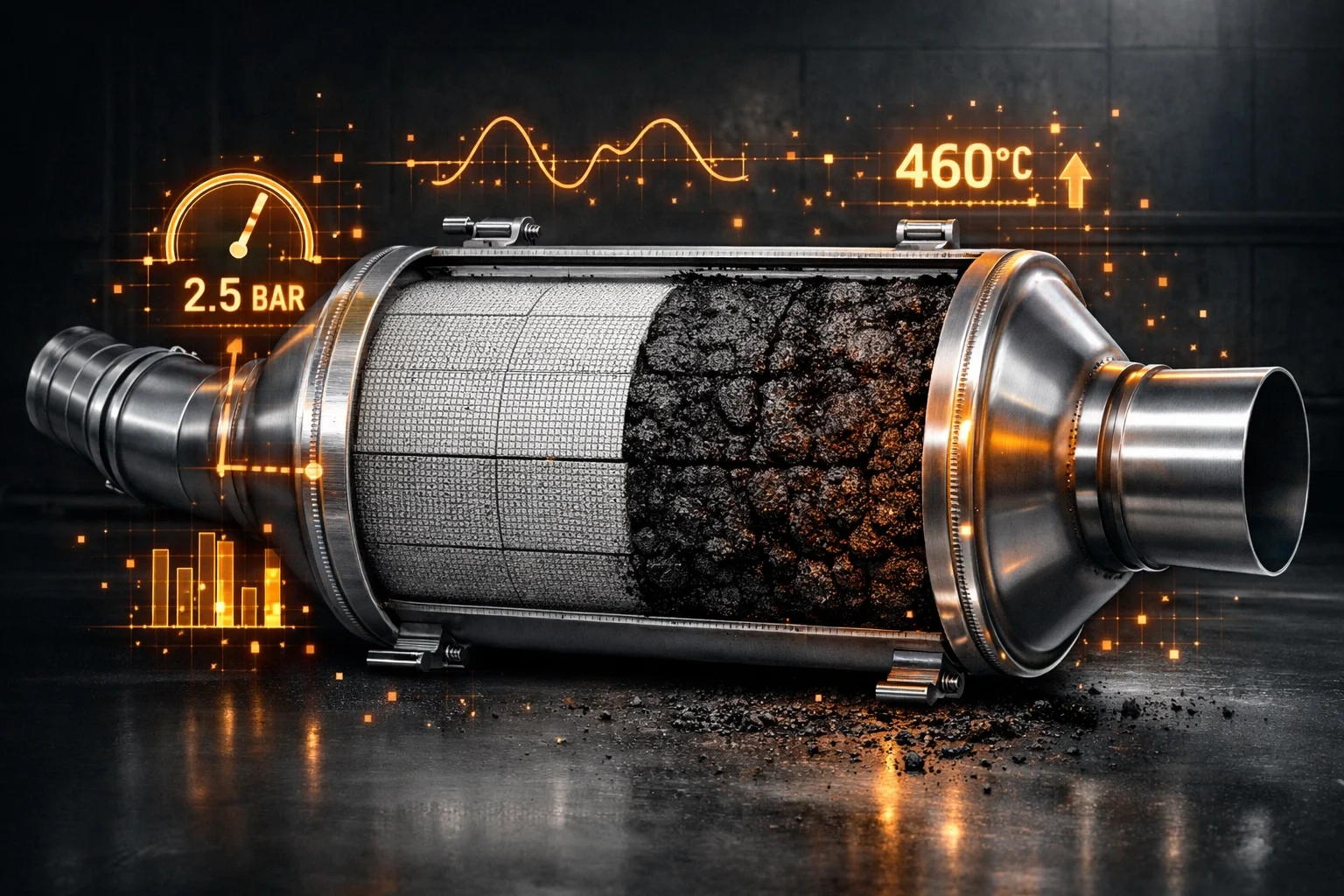
The DPF relies on a network of sensors, most notably the Differential Pressure Sensor. This sensor measures the pressure before and after the filter to calculate how "full" it is. If this sensor fails or the rubber hoses leading to it perish, the ECU receives incorrect data. It may believe the filter is empty when it is actually full (leading to a total blockage) or think it is full when it is empty (leading to constant, unnecessary regeneration attempts).
5. Injector Faults and Incomplete Combustion
Precision is key in modern common-rail diesel engines. If a fuel injector is "leaking" or has a poor spray pattern, the fuel does not burn completely. This creates heavy, wet soot that is much harder to burn off during a regeneration cycle. This leads to rapid DPF accumulation and can eventually lead to oil dilution, where unburnt fuel leaks into the oil sump, potentially causing catastrophic engine failure.
6. Glow Plug Failures
Many drivers are surprised to learn that glow plugs are used for more than just starting the car on a cold morning. On many modern vehicles, the ECU activates the glow plugs during an active regeneration to place an electrical load on the engine and help increase combustion temperatures. If one or more glow plugs are faulty, the ECU may simply disable the DPF regeneration process entirely, leading to a blocked filter within a few hundred miles.
7. Turbocharger Wear and Oil Leaks
A worn turbocharger can leak oil into the exhaust system. Because oil is much denser than diesel soot, it coats the ceramic core of the DPF, preventing the chemical reaction needed for regeneration. If you notice blue smoke or a sudden increase in oil consumption, it is vital to have a diagnostic check before the DPF is permanently damaged.
High Power & Ultimate Performance: Why Diagnostics Matter
At Kent Eco Tuning, we see many customers who have been told by other garages that they need a brand-new DPF, often costing upwards of £1,500. However, without identifying the root cause: be it a faulty sensor, a sticking EGR, or a driving style issue: a new filter will simply block again in a matter of weeks.
Our approach focuses on Precision Engineering and accurate diagnostics. We perform a comprehensive health check to see why the filter blocked in the first place. By looking at live data, soot loads, and sensor voltages, we can determine if your vehicle needs a professional clean, a sensor replacement, or specialized software solutions.
DPF Software Solutions and Professional Remapping
For vehicles that are used primarily for work or high-mileage commercial use, we offer advanced van fleet remaps and tuning that can help optimize engine efficiency. When an engine runs more efficiently, it naturally produces less soot. This reduces the frequency of regeneration cycles, saving you fuel and protecting the longevity of your exhaust components.
Whether you are looking for a Stage 1 remap to improve driveability or need help with a recurring DPF warning, our team is equipped with the latest dealer-level diagnostic tools to provide a definitive answer.

Maintaining Your Diesel in Kent
To keep your DPF healthy while navigating the Medway towns, we recommend a few simple steps:
The "Motorway Run": Once a week, take your car for a 20-minute drive at sustained speeds on the M2 or A2. Keep the RPMs above 2,000 to ensure the exhaust gets hot enough.
Premium Fuel: High-quality fuels contain additives that help the soot burn at lower temperatures.
Regular Servicing: Ensure your oil is changed at the correct intervals using the manufacturer-specified Low SAPS oil.
Don't Ignore the Light: If the DPF light comes on, it is a warning. If you ignore it and wait for the "Engine Management" or "Limp Mode" light, the repair will be significantly more expensive.
Contact the Kent Experts
Don't let a blocked DPF ruin your vehicle's performance or your bank balance. If you are experiencing loss of power, increased fuel consumption, or dashboard warnings, get in touch with Kent Eco Tuning today. We provide expert advice and technical solutions for drivers across Medway and the wider Kent area.
Take the first step toward a more reliable drive. Visit our contact page to book a diagnostic health check or use our vehicle checker to see how we can optimize your engine's performance.
Disclaimer: All software solutions provided by Kent Eco Tuning are intended for off-road use or for vehicles meeting specific legal requirements. It is the owner's responsibility to ensure their vehicle complies with current UK road traffic laws and MOT regulations.