
01
Can You Remap a Car With the DPF Fitted?
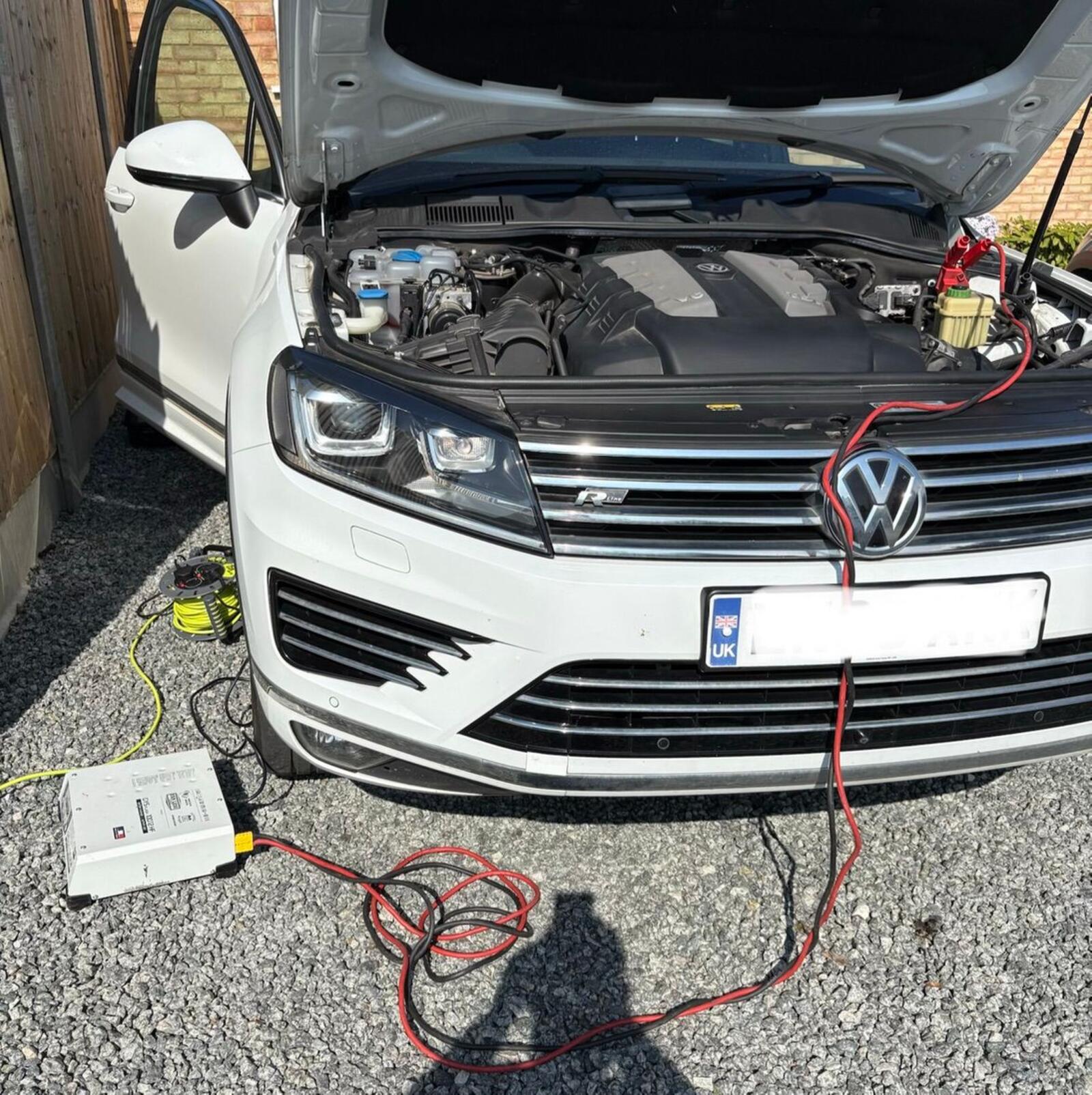
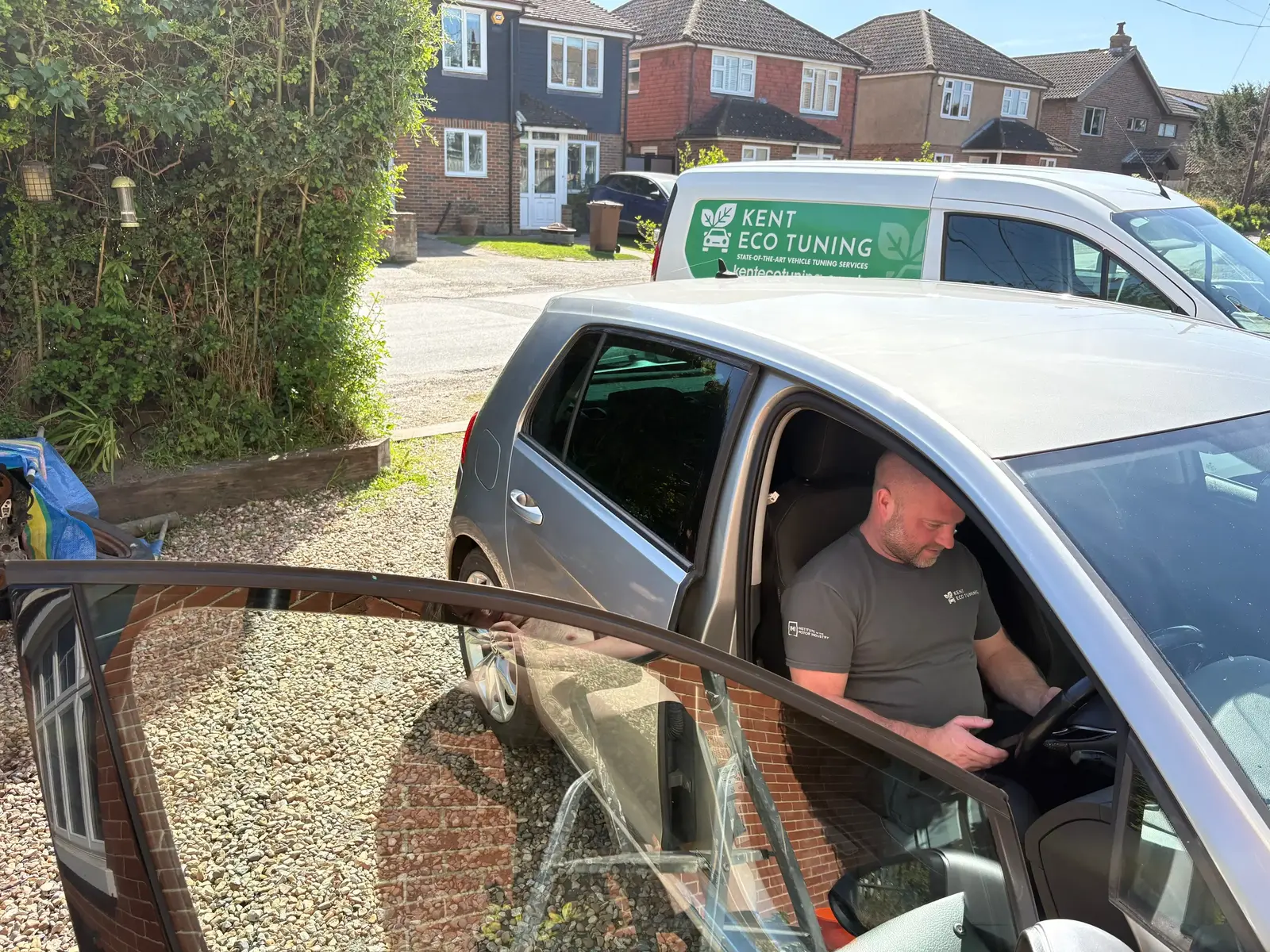
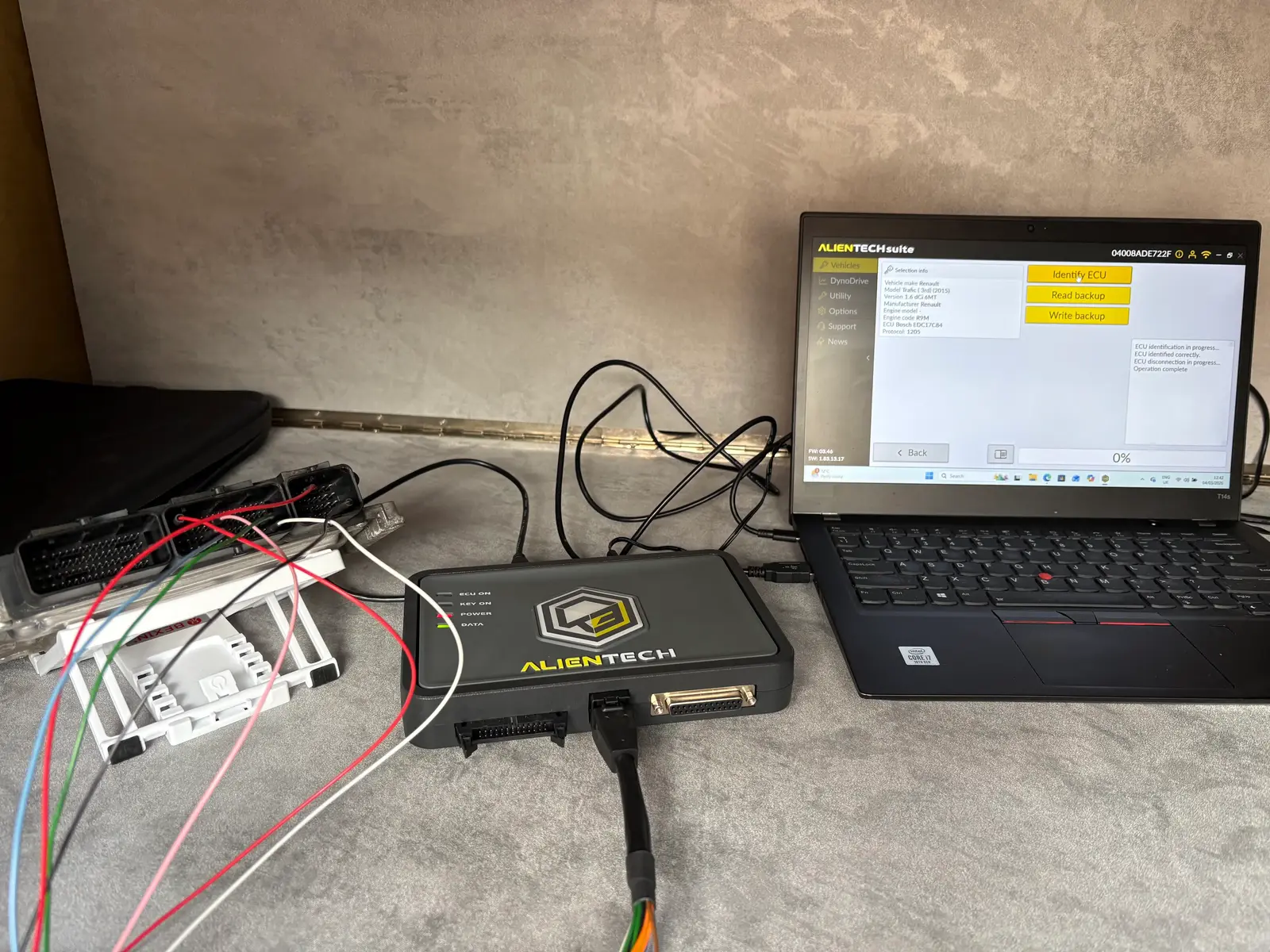
Yes. A DPF-fitted remap does not require the filter to be removed. The DPF continues to trap soot in the exhaust, while the engine control unit (ECU) calibration is tailored to the vehicle and the driver's aims. That distinction matters. A remap is not a way to bypass a fault or switch off emissions equipment. The DPF's monitoring and regeneration functions need to keep operating correctly. If the filter is already restricted, the vehicle has a warning light, or the engine has an emissions-related fault, those issues should be investigated before tuning is considered. At Kent Eco Tuning, diagnostics come first. The vehicle's condition, ECU data and any reported symptoms help determine whether it is suitable for a remap or needs repair beforehand. Find out more about our DPF diagnostic and software solutions in Kent and ECU remapping in Kent.
02
What a DPF-Fitted Remap Changes
A tailored calibration can adjust how the engine responds to driver input. Depending on the vehicle and its condition, this may refine torque delivery and throttle response, helping the car feel more progressive during everyday driving.
The work must account for the DPF and the wider emissions system. Engine load, exhaust temperature and fuelling all relate to how the vehicle operates, so changes need to be considered as part of the complete system, not as isolated figures on a screen. The aim is a better driving experience while keeping the factory-fitted DPF in place and its operation intact.
Drivers may choose a calibration with a stronger focus on power, or one that places more emphasis on economy and efficiency. These goals involve trade-offs: a power-focused setup prioritises response and performance, while an economy-focused setup is intended to support efficient driving. Neither approach should be treated as a fix for an existing DPF fault, and fuel results depend on the vehicle, its condition and how it is driven.
03
DPF Regeneration and Your Driving Pattern
A DPF collects soot from diesel exhaust. During regeneration, the vehicle raises exhaust temperatures so accumulated soot can burn away. The process is managed by the vehicle's control systems and depends on suitable operating conditions.
Frequent short journeys, stop-start traffic and repeated cold starts can make it harder for some vehicles to complete regeneration. If regeneration is interrupted or does not take place as intended, soot may build up. The car may then feel less responsive, display a warning, or enter a reduced-power mode. Continued driving with a serious fault can risk further damage and lead to more involved repairs.
Longer, steady journeys may help some vehicles reach the conditions required for regeneration, but there is no universal driving routine that suits every car or every fault. Follow the instructions in the vehicle handbook. If a DPF warning remains, returns repeatedly or is accompanied by a loss of power, arrange a proper diagnosis rather than assuming a motorway drive will solve the cause.
04
Diagnostics Before a DPF Remap
A DPF warning does not, by itself, identify the underlying problem. A competent check should consider relevant fault codes and live data alongside the vehicle's symptoms and service history. Depending on the vehicle, checks may include soot loading, differential pressure readings, exhaust temperature sensors, regeneration history and faults elsewhere in the engine or emissions system.
This matters because several different problems can produce similar symptoms. A sensor fault, an issue affecting regeneration, or a physically restricted filter may need different attention. Applying a remap before identifying the cause could leave the original problem unresolved or make it harder to diagnose.
A remap is not a substitute for repairing an unhealthy vehicle. If the checks indicate a fault, the priority is to establish the cause and discuss the appropriate repair before tuning proceeds. Our guide to DPF blocking and short journeys explains why driving patterns can matter, but it does not replace vehicle-specific diagnosis.
05
A Physically Blocked DPF Needs Repair
A physically blocked DPF requires repair or replacement, not software changes. Software cannot remove soot, ash or physical damage from the filter. Attempting to mask a restriction with an ECU change does not restore the filter's condition and may leave the underlying risk in place.
The correct next step depends on diagnosis and the vehicle. A specialist may determine that regeneration is appropriate, that professional cleaning is suitable, or that repair or replacement is needed. A forced regeneration is not automatically safe or appropriate; the cause of the problem and the manufacturer's procedures must be considered first.
06
DPF Removal, Emissions Compliance and MOT
Removing or defeating emissions equipment on a road vehicle is illegal and can cause an MOT failure. If a vehicle was built with a DPF, removing, disabling or bypassing it is not a legitimate repair or a compliant alternative to addressing a fault. The GOV.UK guidance on catalytic converters and diesel particulate filters explains the legal position, and the MOT inspection manual covers checks for emissions-control equipment.
Kent Eco Tuning does not offer DPF, EGR or AdBlue deletes for road vehicles. Any applicable emissions-related software work for a genuine motorsport or off-road vehicle is considered only for that use and requires a signed declaration before work begins. A declaration does not make an unlawful road-vehicle modification lawful.
07
Is a DPF-Fitted Remap Right for Your Car?
A DPF can remain fitted during a remap. The important questions are whether the car is mechanically healthy, whether its emissions systems are functioning correctly, and whether the calibration is appropriate for your goals. Where there is a DPF fault, resolve that first; where the vehicle checks out, a tailored remap can be considered without removing or defeating the filter. For advice about your vehicle, use the Kent Eco Tuning contact form or call 07946 854971. Visit www.kentecotuning.co.uk for further information.