
01
Book a remap that fits your vehicle
Before the visit, we will ask for details such as the vehicle registration, make, model and engine, along with what you want from the remap. For a daily driver, that might mean sharper throttle response and more flexible torque for ordinary journeys. A tradesperson may be looking for smoother pulling power when carrying tools or a more efficient drive cycle for a working van.
Tell us about any modifications, warning lights, past repairs or running concerns when you enquire. This information helps us check whether the vehicle and its ECU are suitable for the requested work. You can explore our ECU remapping services in Kent and van and fleet remapping before deciding which outcome best matches your needs.
02
Vehicle checks protect the result
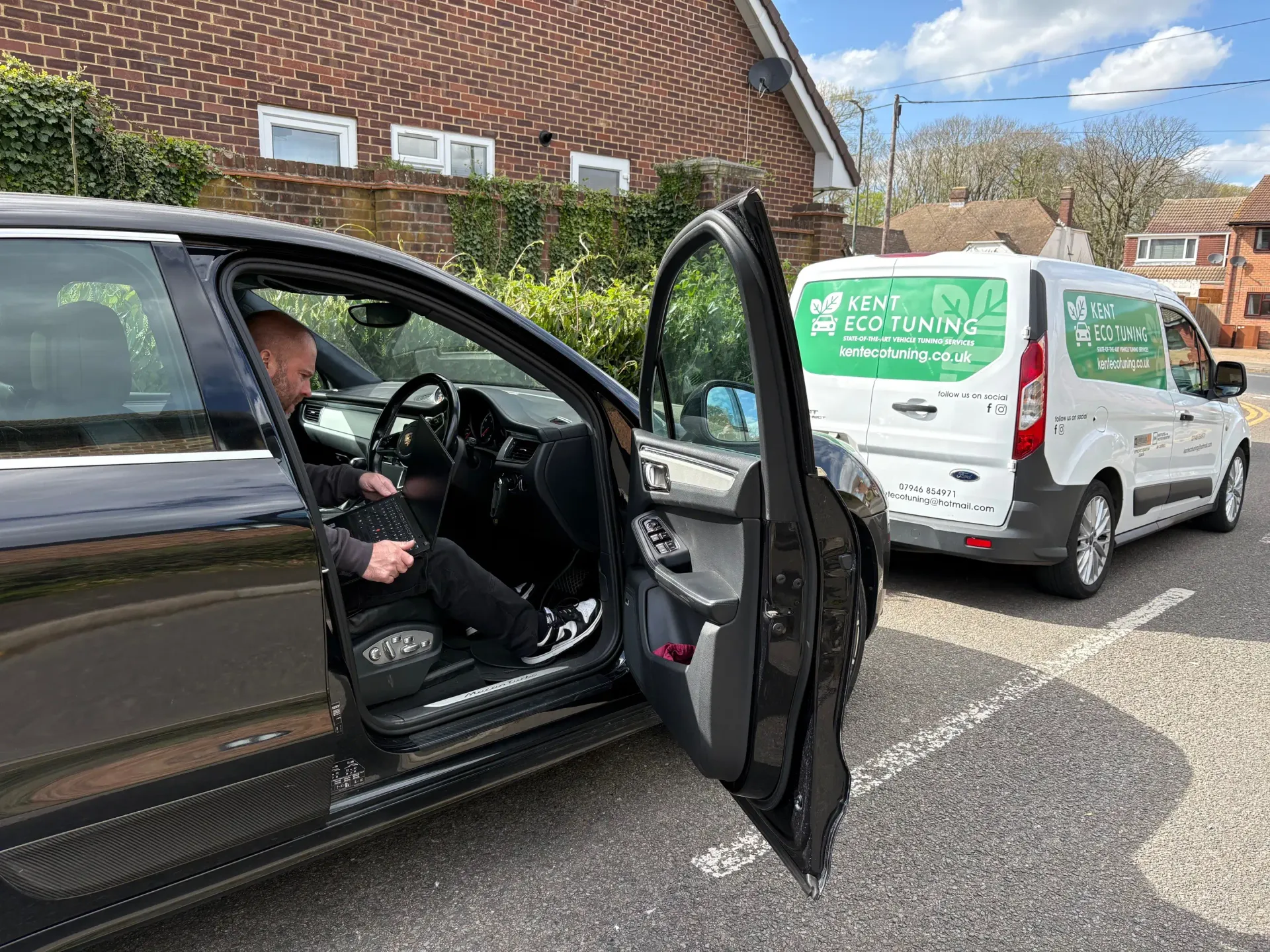
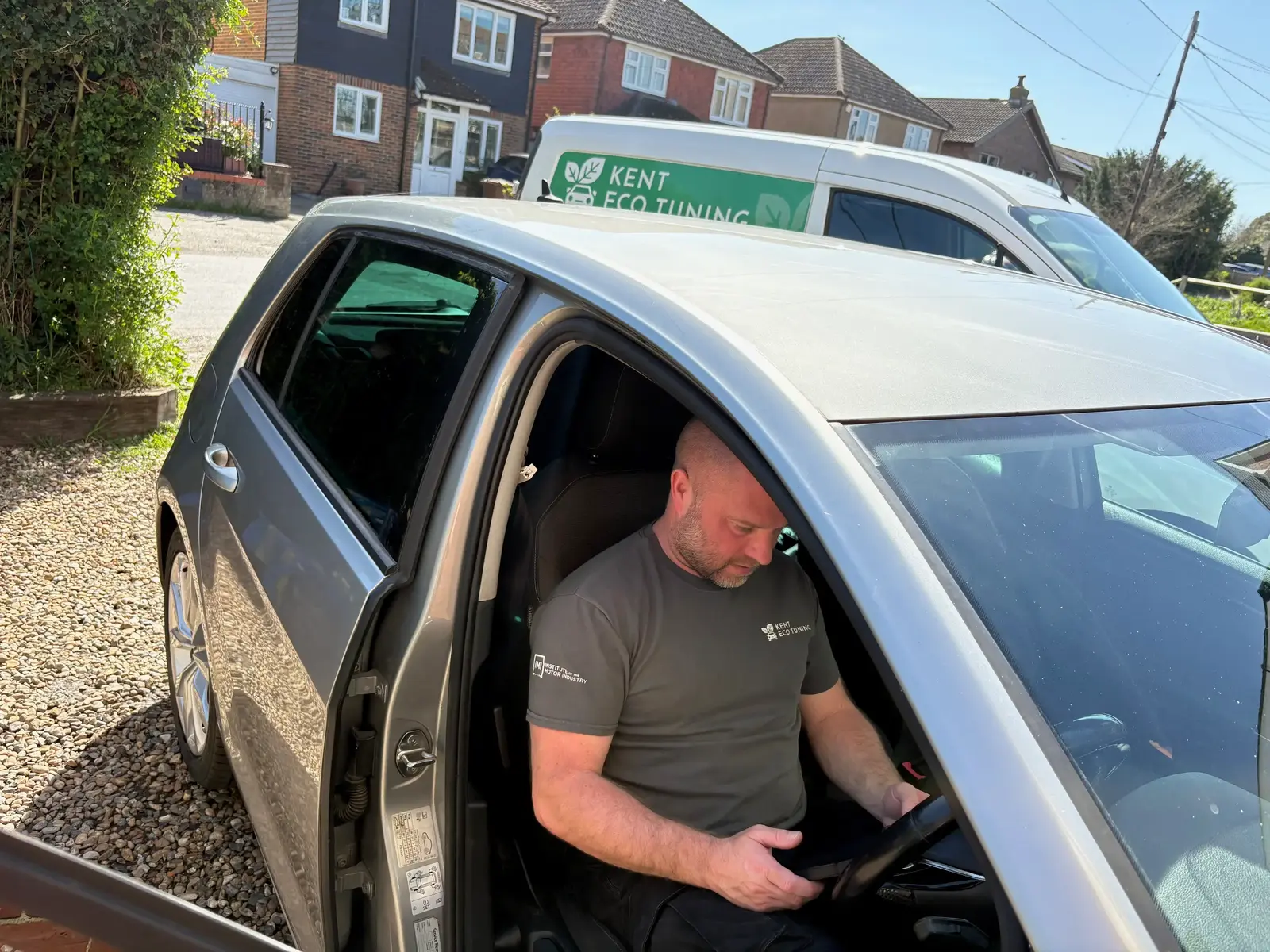
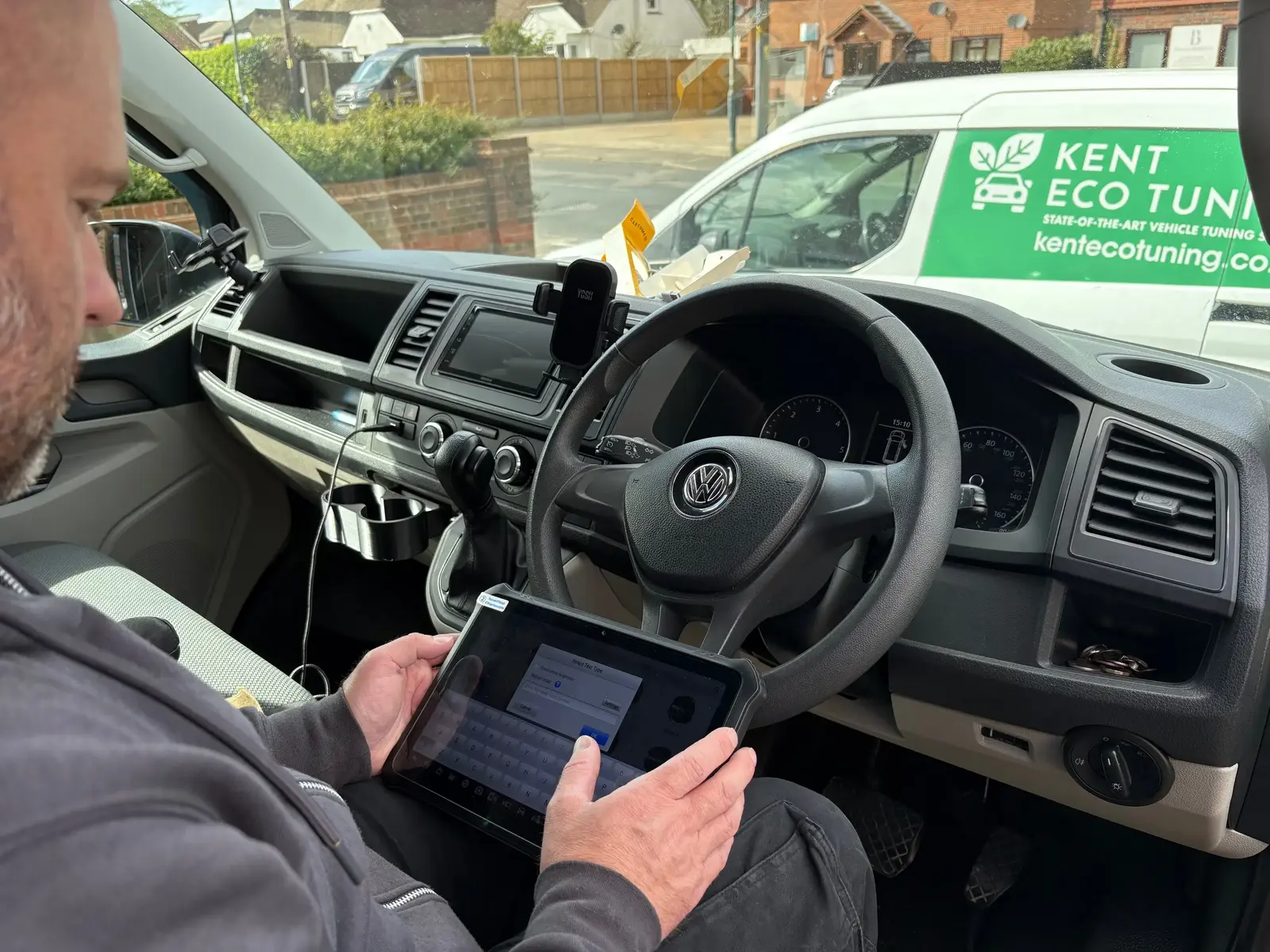
When we arrive, we will confirm the vehicle details and discuss the work before connecting any programming equipment. We then carry out a diagnostic health check and review relevant fault information. This initial step matters: an existing engine, turbo, fuelling, clutch or emissions-system problem may affect how the vehicle drives and how it responds to increased torque.
A remap is not a repair for an existing fault. If diagnostics or the vehicle's symptoms indicate an unresolved issue, changing the calibration can make drivability worse or add stress to a component that is already struggling. The responsible course is to explain the concern, recommend diagnosis or repair, and postpone tuning where necessary.
A diagnostic scan is not a complete mechanical inspection. It helps identify issues that could affect the remap, but it does not replace servicing or a mechanic's assessment of a suspected mechanical fault. Systems therefore need to be maintained properly before and after tuning.
03
Original ECU data is read and safeguarded
Once the vehicle has passed its pre-checks, the technician identifies the ECU and software version and reads the original data. On many vehicles, this can be done through the OBD diagnostic socket. OBD access is usually the most direct method because the ECU can remain in the vehicle.
Some ECUs need a different approach. Depending on the vehicle and its security or software configuration, the unit may need to be accessed directly using a bench or boot method. This can involve removing the ECU and connecting to it outside the vehicle; the precise procedure varies. It is not a different type of tune, but an alternative way to read and program the ECU when OBD access is unsuitable.
The original file is retained as a reference and helps ensure the calibration is based on the correct software for that vehicle. During programming, stable electrical supply is important. The technician will explain any steps you need to follow while the vehicle is connected, such as leaving the ignition or doors in the instructed state. Avoid operating controls or switching electrical equipment on and off unless asked.
04
Calibration balances power, economy and use
The calibration is selected to suit the vehicle and the driver's priorities, rather than treating every car or van as identical. A power-focused option prioritises stronger response and torque delivery. An economy-focused approach aims to improve efficiency and reduce the throttle load needed in everyday driving. A balanced choice seeks a practical compromise between power, economy and drivability.
For a car owner, the difference may be most noticeable in the way the vehicle responds through the rev range or maintains speed without frequent gear changes. For a van driver, useful low- and mid-range torque can make loaded driving feel more manageable. Fuel use is influenced by the vehicle's condition, journey type, load and driving style, so no particular economy result can be guaranteed.
The calibration process takes account of the ECU software and the vehicle's intended use. It should retain appropriate operating safeguards and be suited to the engine and drivetrain. If your priorities change, discuss that before the work starts so the proposed approach is clear.
05
Programming and checks confirm normal operation
After the calibration is prepared, it is written to the ECU using the method appropriate for the vehicle. The technician then checks that programming has completed correctly, confirms that the vehicle starts and runs, and reviews relevant diagnostics again.
Where suitable and safe, the appointment may include a road test or operating checks to assess how the vehicle behaves under normal conditions. The aim is to check for smooth, consistent response and identify any concerns that need further investigation. A road test is not a rolling-road measurement, and it cannot prove that every mechanical component is fault-free.
You should notice how the vehicle responds in ordinary use rather than immediately testing it with heavy throttle or a full load. If anything feels unusual after the appointment, contact us and describe the behaviour clearly. We can advise on the next diagnostic step.
06
OBD remaps are usually quicker than bench or boot work
The time required depends on the vehicle, ECU access method and any issues discovered during the pre-check. A straightforward OBD appointment is typically the shorter process and often takes around an hour or two. Bench or boot access generally takes longer because the ECU may need to be removed, connected directly and refitted. Additional diagnosis, difficult access or a communication issue can extend the visit.
We will explain what is expected for your vehicle when arranging the appointment. Allow some flexibility rather than planning around an exact finish time: careful checks and safe programming matter more than rushing the job.
07
Prepare a safe, accessible space
A little preparation helps the mobile visit go smoothly:
- Have the vehicle and keys available at the agreed location. - Leave enough safe space for the technician to work around the vehicle and park the service van nearby. - Make sure the vehicle is accessible, with any gates or site access arranged. - Describe known faults, warning lights, recent repairs and modifications honestly. - Let us know if the vehicle has a weak battery or has recently had starting or electrical problems.
For work vehicles, consider whether the van can be left undisturbed while the checks and programming are completed. If you are unsure whether your home, workplace or yard is suitable, mention this when booking. Our mobile remapping service areas explains where we operate across Kent and Medway.
08
After the remap: drive normally and keep up maintenance
Once the work is complete, the technician can explain the calibration selected and answer questions about the process. Continue to follow the vehicle manufacturer's maintenance schedule. A remap does not extend service intervals or remove the need to maintain the engine, clutch, gearbox, turbo and emissions equipment.
If the vehicle has an existing fault, arrange proper diagnosis rather than expecting software changes to resolve it. You should also check your insurance requirements and tell your insurer about vehicle modifications where required. The legal and insurance position depends on the vehicle and the circumstances.
For advice about your car or work van, contact Kent Eco Tuning through the website contact form or call 07946 854971. Visit www.kentecotuning.co.uk to learn more.
09
MG Remapping FAQs
10
How long does a mobile remap take?
Most appointments complete within a couple of hours, including diagnostics, the calibration write and a road test.
11
Do I need to leave my keys with anyone?
No. You stay with the vehicle throughout; the technician explains each step before it happens.
12
What if the checks find a problem?
The responsible answer is to pause the tune and address the fault first. A calibration written over an unresolved issue does more harm than good.